

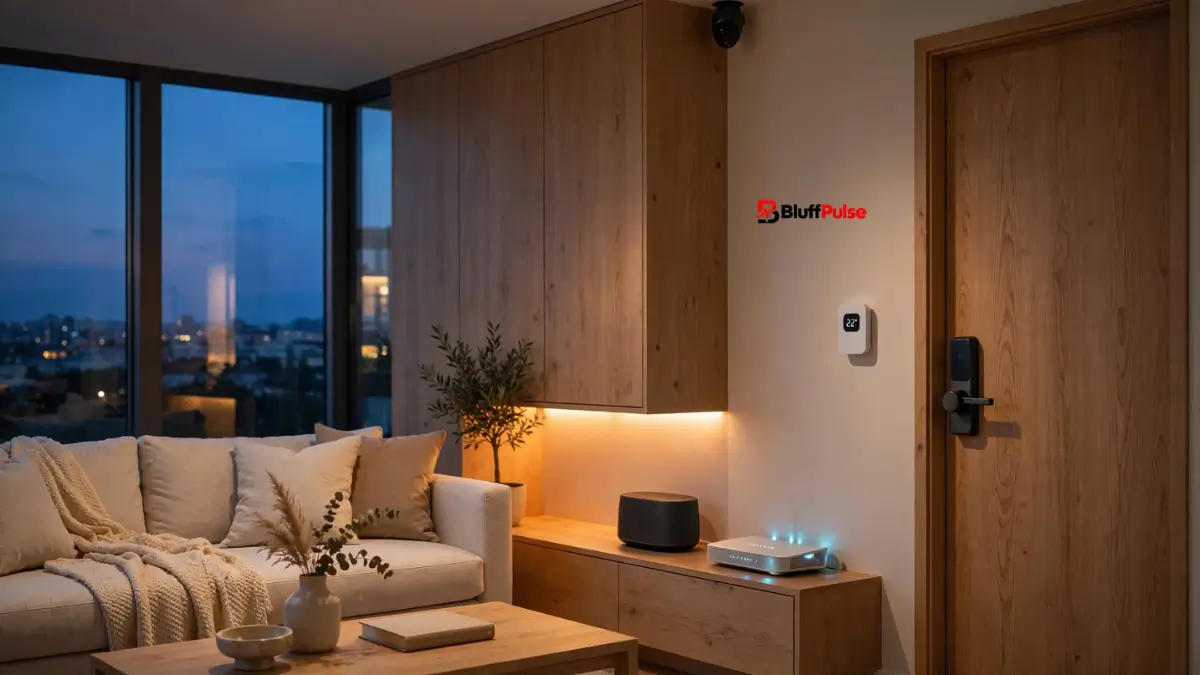
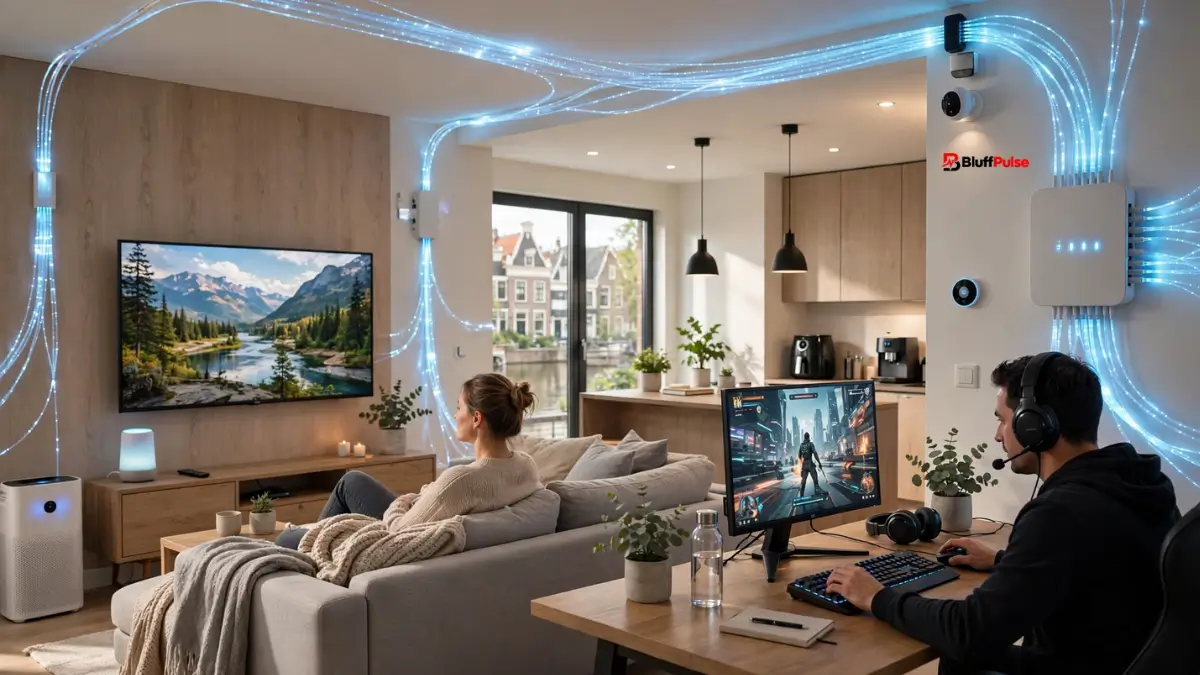


If you take a look around your house today, you will probably notice a subtle shift. Gone are the days when a “smart home” just meant having a programmable thermostat or a garage door you could open with a remote. Now, our living spaces are packed with connected tech—everything from high-definition security cameras and smart locks to color-changing lights and wireless audio systems.
Yet, as much as we love the convenience, a new headache has taken its place: app fatigue.
When your smart bulbs require one app, your security camera another, and your thermostat a third, your smartphone quickly turns into a digital control panel for chores. That is where concepts like HomeCZ come into play. Rather than treating every gadget as a standalone novelty, the HomeCZ philosophy focuses on bringing everything together. It is about bridging high-speed internet, household security, and intelligent automation into one seamless, stress-free experience.
What is HomeCZ? Cutting Through the Jargon
At its heart, HomeCZ represents a blueprint for how modern homes should communicate. As we buy hardware from different manufacturers, getting them to talk to each other is often the hardest part.
The core philosophy behind HomeCZ isn’t about buying into expensive marketing hype; it is about practical, everyday utility. It relies on a few simple pillars:
- Rock-solid connectivity: Making sure your Wi-Fi reaches every corner of the house without frustrating dead zones.
- Playing well with others: Allowing devices from different brands to actually share information and trigger actions together.
- Smart routines: Moving beyond rigid schedules so your home actually reacts dynamically to when you wake up, leave for work, or sit down on the couch.
Ditch the App Overload: One Dashboard to Rule Them All
Ask anyone who has tried building a smart home what annoys them most, and they will likely point to their phone’s home screen. Juggling five or six different apps just to check if the front door is locked, dim the living room lights, and turn down the AC turns convenience into a second job.
A centralized approach changes everything. Instead of bouncing between disjointed apps, you manage your home through a single, logical layout:
- At-a-glance status: Instantly seeing which doors are unlocked, windows ajar, or lights left burning.
- Room-by-room control: Managing spaces naturally instead of hunting down individual brand names.
- One-tap routines: Setting up a “Goodnight” script that turns off all the lights, drops the thermostat, and arms the security sensors in one go.
The Building Blocks of a Connected Home
Setting up a truly smart home isn’t just about grabbing random gadgets off a shelf—it is about how the foundational pieces work together.
1. Smart Lighting That Makes Sense
Automated lighting goes far beyond turning a bulb on with your voice. Modern setups use motion sensors and ambient light detectors to brighten or dim rooms based on the time of day, saving energy without you ever having to touch a switch.
2. Climate Control That Learns Your Rhythm
A good smart thermostat studies your daily routine over time. By looking at when you are actually home and checking local weather forecasts, it manages heating and cooling efficiently so you aren’t wasting power on an empty house.
3. Integrated Home Security
Smart locks, window break sensors, and security cameras shouldn’t operate in silos. In a well-designed ecosystem, if a window sensor trips while you are out, it immediately triggers your cameras to record and sends a direct alert to your phone.
4. The Unsung Hero: Your Wi-Fi Network
None of this matters if your internet drops out. The invisible backbone of any connected home is a robust network. Without a stable router or mesh setup, even the most expensive smart devices will lag and disconnect.
Don’t Forget Digital Safety: Cybersecurity at Home
When most of us think about home security, we picture deadbolts and security cameras. But in a connected house, digital safety is just as important as physical safety. Every smart device you bring inside represents another potential door into your private network.
To keep your digital space locked down:
- Turn on Two-Factor Authentication (2FA): Add that extra layer of security to all your smart home accounts.
- Secure Your Router: Change the default admin login, separate your smart gadgets onto a guest network, and keep your router’s firmware updated.
- Know Where Your Data Goes: Check where your camera feeds and device logs are stored—local storage or encrypted cloud services are always the safer bet.
Saving Energy and Living More Sustainably
Technology is great at making life easier, but it can also help us be more mindful of our resources. Smart ecosystems give you the clear data you need to trim your energy bill:
- Stopping Phantom Power: Many electronics draw power even when turned off. Smart plugs cut the juice entirely when devices are idle.
- Smart Climate Triggers: Linking window sensors to your AC means the cooling automatically pauses if someone leaves a window open.
- Real-Time Awareness: Energy monitors show you exact power spikes, helping you build better household habits over time.
Looking Ahead
The future of smart living isn’t about flashy, gimmick-driven tech—it is about invisible, reliable infrastructure. Frameworks inspired by the HomeCZ concept remind us that technology should quietly work in the background to make our lives easier, not harder. By focusing on reliable connections, cross-brand compatibility, and practical automation, you can build a home that is safe, comfortable, and ready for whatever comes next.
Frequently Asked Questions
What does HomeCZ actually refer to?
It is a conceptual framework used to describe smart home automation, connected living, and the unified management of household tech.
Is HomeCZ a hardware brand I can buy from a store?
No, it is not a specific manufacturer brand. It is an overarching philosophy for how different smart devices can work together seamlessly.
How does this concept help stop app fatigue?
By focusing on central dashboards and shared standards, it lets you control your entire house from one interface instead of opening a dozen separate apps.
What kind of tech is usually involved in a HomeCZ-style setup?
Think mesh Wi-Fi networks, smart thermostats, connected lighting, automated locks, motion sensors, and security cameras.
Will a smart home actually lower my utility bills?
Yes. Automated lighting schedules, intelligent climate controls, and smart plugs go a long way toward cutting down unnecessary power waste.
How worried should I be about smart home security?
Very. Because these devices connect to the internet, using strong passwords, secure Wi-Fi, and keeping firmware updated is essential to keep hackers out.
Do I need to hire a professional to set this up?
Not necessarily. Many smart home products are designed for easy DIY installation, though complex mesh networks or hardwired security systems might warrant a pro.
What is the difference between a basic connected home and true automation?
A connected home usually relies on you manually tapping buttons in an app. True automation uses local sensors and smart triggers to run things automatically in the background.
Is building a smart home expensive?
It doesn’t have to break the bank. You can start small with a single smart plug or bulb and slowly build up your ecosystem as you need it.
Where is smart home technology heading next?
The biggest shifts are happening around universal interoperability standards (like Matter), local data processing for better privacy, and smarter energy-saving automation.